Whether you are listing a small apartment or a stately mansion, knowing how to stage your home to sell is essential to win over prospective buyers.
It might sound like added work or expense, but it can make a significant difference – adding an estimated 5 to 10 per cent to the final sale price. Moreover, if money isn't incentive enough, research shows that staged homes tend to spend less time on the market.
Staging a property is more than just tidying or perfectly arranging lounge cushions. It is about creating an emotional connection. You want buyers to fall in love at first inspection.
Ask anyone about why they bought their property, and you will usually hear how they stepped inside their home and just knew it was the 'one'. Staging is one of the best ways to make a great first impression.
TL;DR: Tips for staging your home
Cleaning, decluttering and depersonalising are key, and the good thing is they don't cost anything except energy.
While fresh flowers are nice, a pot plant is a better idea to add some greenery and freshen up your interior. You should be able to find some hardy ones at least through to the end of the marketing campaign.
Some of our other suggestions include:
- Make sure your entrance is extra appealing
- Be inspired by the season – focus on the outdoors during summer and keep the interiors cosy during winter
- Partially emptying cupboards can make them seem larger
- Clear the kitchen benches and add a bright bowl of fruit
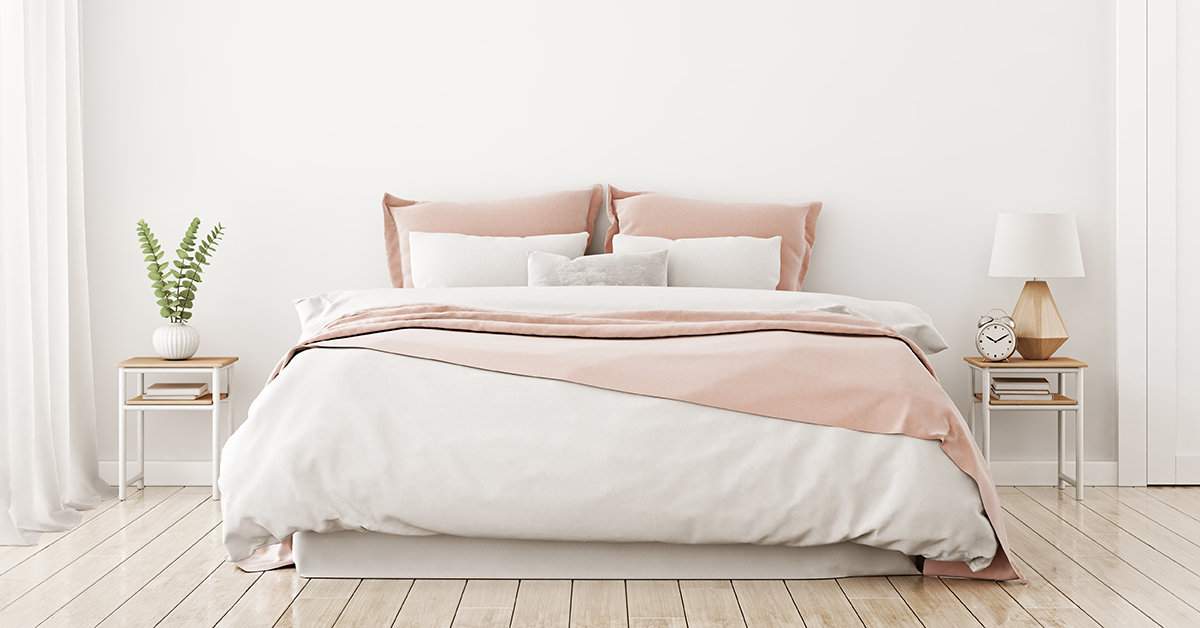
- Go for gender-neutral decorated bedrooms
- Add a scented candle and white towels to the bathroom
- Artwork is a great way to make an empty room seem warmer
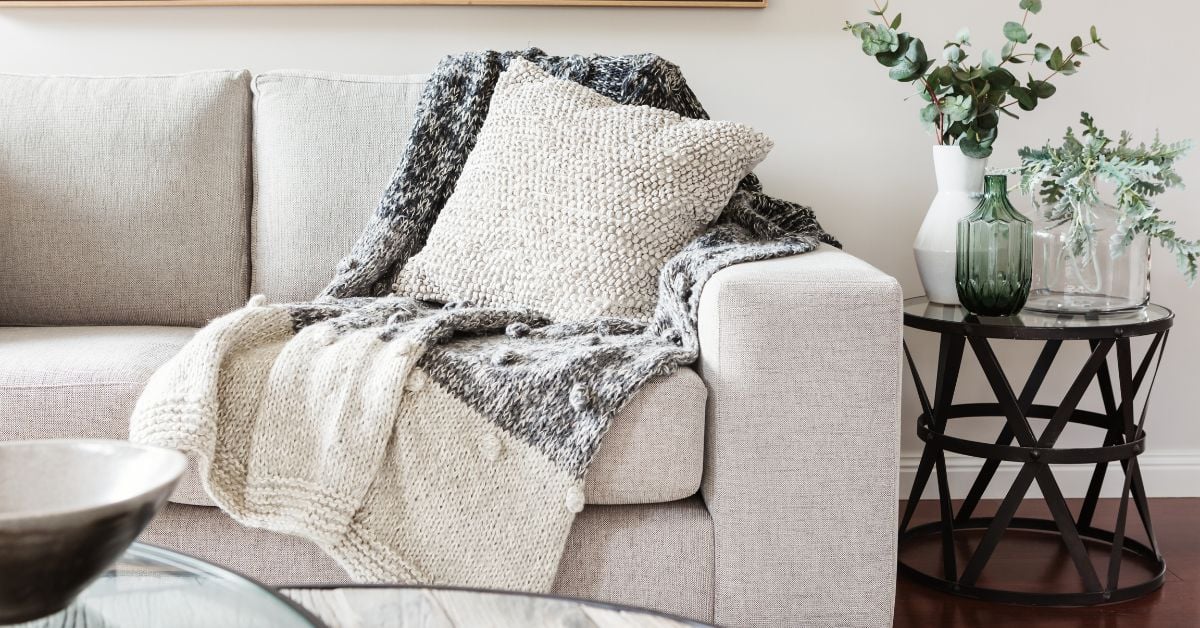
- Go for a mixture of textures, glass vases and woollen throw in the lounge
- Make sure you remove all traces of owning a pet
Why is staging your property so important when selling?
The key is allowing buyers to envision themselves living in your property. But, this won't be possible if the walls are plastered with family photos or shelves packed with holiday trinkets. Decluttering is a big part of staging your home to sell, which means putting all your personal items and memorabilia into storage.
Start by going room by room, clearing out any mess and making sure everything is super clean. Grimy marks on the wall, a dirty sink, or a pungent toilet can do enormous damage to your hopes of finding a buyer. So, pull out the duster, the vacuum and the mop to have the house sparkling.
And while you may love a vibrantly painted feature wall, be mindful that anything too bold will potentially narrow your market. Buyers are budget-conscious, and they may see changing the colour scheme as an added expense they can't afford to fix.
Walk through your home and try to imagine seeing it for the first time. But don't strip it completely bare – a sterile setting is probably even less appealing!
Staging a house for sale isn't limited to the interiors
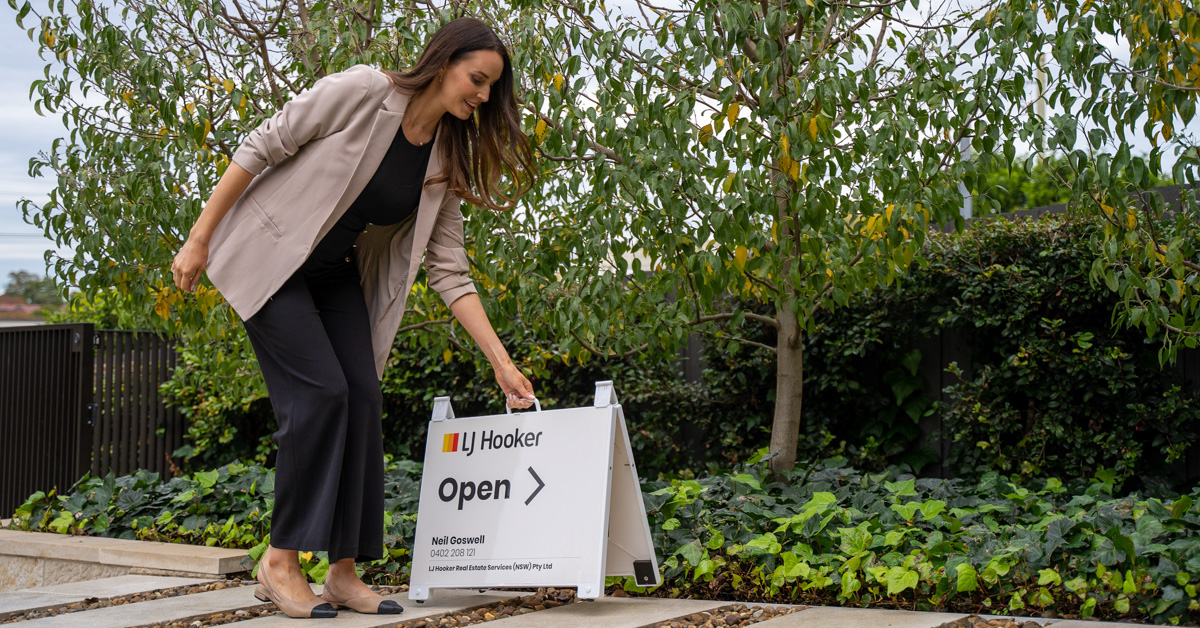
When prospective buyers come to cast their eye over your abode, it's not the living or dining room they see first. So, you must ensure the exterior is appealing enough to entice people to leave their car and come in for an inspection.
Ensure the lawn and garden are tidy, and the front fence has a fresh coat of paint. If there's a gate, make sure it swings and doesn't give off a screech that has people scurrying back out of there.
Gutters should be clean and eaves free of flaking paint or stains. Invest in some plants, a garden chair or doormat, while blasting the pavers with a high-pressure hose can work wonders. Add a new letterbox and updated outdoor light fixtures – and you are almost there. Be sure that the street or unit number is clearly visible, as you don't want anyone missing out on attending the open home.
When prospective buyers arrive at the front door, you want them to feel excited about what lies ahead.
How home staging helps maximise space and appeal
Once you have them inside, make sure potential purchasers don't feel like stepping into a cave. Bathing the interior with natural light provides an inviting atmosphere and generally puts people in a good mood. Conversely, a dim setting leads to dark thoughts, like "imagine how cold this place will be in winter".
If natural light is scarce or the weather is miserable, keep your light fixtures on and even bring in a few lamps to brighten any dark spots around the house. Roll up your sleeves and clean all the windows – or employ a professional to do this job.
Installing a skylight is another cost-effective solution to adding light and can create the illusion of space. These cost as little as $250 to purchase but can make a huge difference.
Staging you home can make it seem more spacious
It is easy to become oblivious to the furniture and personal items gradually accumulated over the years. Too much clutter will make your home appear smaller and, while normal to you, it could simply appear messy to someone else.
While you don't have to stage every area, it should all be neat, tidy and functional. And yes, that means cleaning out the dreaded junk room.
Expect potential buyers to open the pantry and a few kitchen drawers, so they will need to be orderly.
Rearranging furniture doesn't cost a thing and is an effective way to create more space and improve flow. Here, the aim is to make your home feel larger, so remember, less furniture is always best.
Practical tips for staging your home to sell
Cleaning, decluttering and depersonalising are key, and the good thing is they don't cost anything except energy. To make your house stand out from the competition, try the following staging elements that will make your home sell, fast:
Lighting and atmosphere
Aim to maximise light in your home wherever you can. Interior lighting plays a huge role in home staging. When a property appears light and bright, you are making potential home buyers feel welcome. You are also allowing them to envisage living in your home more clearly. After all, no one likes dark, uninviting living spaces.
Natural lighting is best. However, if natural sources of light aren’t an option then turn to artificial lighting such as lamps and LED lights with warm or “soft white” bulbs as these hues are less harsh and clinical.
A light and bright room can also be achieved by using white wall and ceiling paint along with curtains and furnishings in neutral tones such as creams, greys and beiges.
Exterior
The outside of your home is just as important as the inside. Enhancing your property’s curb appeal will ensure potential buyers love your home before they even walk in the door.
Simple ways to increase curb appeal include mowing the lawn and nature strip, planting new flowers and tidying up garden beds, adding a solar light pathway and fixing or refreshing the front fence. Even something as simple as adding a small garden bench or pot plant on the front porch can make your home appear more inviting.
Cleanliness and decluttering
Don’t underestimate the power of a deep and thorough clean. At a home inspection, nothing is more off-putting to buyers than dirty carpets, walls and cabinetry. If your home interior is particularly dirty or smelly, it is worth your while to hire a professional cleaner to steam clean and deodorise carpets. Doing so will give your home a fresh, ‘new’ smell and look, rejuvenating your property and appealing to buyers.
Depersonalising the space
When staging your home for sale, the aim is to get potential buyers to imagine themselves living there. This can be hard to achieve if you still have a lot of personal items strewn around the place including family photos, awards and greeting cards.
Common home-staging mistakes to avoid
Before you get your property ready for inspection, here are some staging don’ts:
Don’t invest in expensive updates or renovations
One of the biggest risks of spending money on renovations is spending more on the renovation than could be gained back when you sell. Renovations can be costly, especially if you don’t have the time or skills to complete them. For this reason, it’s best to just focus on the things that need fixing, e.g, broken door handles, cabinets, leaky faucets etc.
Don’t use bold or polarising colour schemes
You don’t want trendy or loud colours as this can stop buyers from seeing themselves living in your home. Vivid, bright or even dark colours may not be everyone’s cup of tea and certainly won’t appeal to those who don’t want to have to repaint once they move in.
Don’t stay home on inspection day
Having the family present during inspections can make it difficult for potential buyers to fully connect with the home. For this reason, make other accommodation arrangements or plan a day out when inspection day comes around.
Know when professional help may be worth it
When your house is staged professionally, it can make it easier for your real estate agent to sell and get a better price for it. If your budget allows, you can choose either a full or partial stage which can include new furnishings and accessories that will add extra impact to your spaces.
How much does it cost to stage a home
After decluttering, it's time to call in the experts to stage your home for sale. Your LJ Hooker agent will be able to recommend a home staging company familiar with your area.
Using a stylist can save time and stress – and bump up your potential profits. It is ideal for all types of properties, particularly those with a few quirks or even in need of renovation.
Professional house stagers have a background in interior decorating and access to a warehouse of furniture, accessories and artwork that will make your home look like it is starring a magazine editorial. It may be that your interior just needs a few tweaks, partial staging or the full works - including outdoor furniture.
The fee for staging your property depends on its size, location and how many areas need a makeover. Expect to pay from around $2,000 to $3,000 for an apartment and $4,000 to $8,000 – and possibly even more - for a larger home. The hire is usually for a six-week campaign.
While it sounds pricey, remember it can add handsomely to your final sale price.
If that's out of budget, virtual staging is an inexpensive option. Computer-generated furniture is added to your photos for a cost of $30 to $120 per image. And even better, it can be turned around in 48-hours.
Staging you house for sale on a budget
If your funds are a little tight, don't be afraid to stage your property on your own. You'll find no shortage of inspiration from YouTube, TikTok or renovating TV shows.
Before making any major cosmetic changes, talk with your agent. They are best to advise on where to spend your money and what rooms should be a priority.
Look for inexpensive ways of adding a little touch of style. New towels, bathmats, towels and linen are other thrifty ideas. Place a coffee table book in the lounge to add a touch of elegance. Scour second-hand stores or even borrow an item from a friend.
Be mindful that you are not selling 'your' property, detach yourself emotionally and be excited about your next move.
For more tips on how to stage your home to sell, download our Styling Your Home to Sell eBook or get in touch with your local LJ Hooker real estate agent for a free property appraisal and some advice.
DISCLAIMER - The information provided is for guidance and informational purposes only and does not replace independent business, legal and financial advice which we strongly recommend. Whilst the information is considered true and correct at the date of publication, changes in circumstances after the time of publication may impact the accuracy of the information provided. LJ Hooker will not accept responsibility or liability for any reliance on the blog information, including but not limited to, the accuracy, currency or completeness of any information or links.
Share