
The key to a successful portfolio is having the right team to look after it. Whether you own a single investment property or several, ensuring it is managed properly is essential.
You need to be able to find a property manager with a range of skills, including tenant relations, overseeing repairs, rent collection and effective problem-solving.
If your emails start being unanswered or your property is sitting empty for extended periods, then you’re likely to be questioning whether your current property manager is equipped for the job. But, is it better to stick with who you know, or is it time to make a change to a new agency?
Below are the leading reasons landlords decide to change property managers, followed by the essential factors to assess when selecting a more capable replacement.
Why you might need to change your property manager
Persistent communication issues
When the person responsible for managing your investment stops communicating, it’s a clear sign of poor service.
Cathie Crampton, LJ Hooker's Head of Property Management, Australia and New Zealand said effective communication is crucial to the job of property management.
“If your current agency is unresponsive or fails to provide timely updates, it can ultimately lead to the mismanagement of your property,”
It's not just about building a positive relationship with the landlord; property managers must also ensure open communication with tenants. After all, if the person renting your investment property is happy and feels respected, they are more likely to stay living there long-term.
Property managers act as a buffer between you and the tenant. They are representing you in their interactions. You want to know that if there is a problem, they are there doing everything to fix it.
Ideally, calls or emails to your property manager should be responded to within 24 hours. And in an emergency, this should even be sooner. Good communication also provides reassurance that your investment is being properly managed and any concerns are addressed swiftly.
Poor maintenance management
All homes suffer wear and tear, and your investment property is no different. This is not something that you can ignore, especially if it potentially impacts the safety of your tenant.
“If your current manager is slow or unresponsive to maintenance issues, it's a sign that you might need to switch to a more proactive manager,” Ms Crampton said.
Depending on where you live, property managers can undertake four inspections of a rental property with proper notice. This allows them to also ensure the tenants are meeting the terms of the lease.
Property managers should have a reliable database of licensed tradespeople they can contact for any repairs, such as plumbers, electricians and cleaners. They should handle quotes, authorise the work with your permission, supervise its completion and check it is of a quality standard.
Remember, it is best to anticipate any problems and tackle any issues early. What may be a minor water leak from the roof could turn into major structural damage. Faulty wiring could potentially endanger the lives of tenants, while early intervention can prevent a manifestation of pests.
High vacancy rates or poor tenant quality
In today’s competitive rental market, a vacant property may suggest issues such as maintenance concerns or overpricing. It can also be a sign that your current property manager isn’t quite up to the job.
“It can mean they are not providing effective marketing and tenant placement strategies, making it time for a change,” Ms Crampton said.
As a landlord, the last thing you want is for your property to be sitting vacant for extended periods. Every day without a tenant is a loss of revenue. But you don’t just want anyone living in the property.
Owning an investment property should be as profitable and stress-free as possible, and to do that you need to attract a high-quality tenant who will stay long-term.
Experienced LJ Hooker property managers review hundreds of rental applications, meticulously examining applicants’ income, rental history, character and overall suitability. Their comprehensive screening process includes reference checks, a tenancy database check and consulting with the landlord.
A simple chat at an inspection can offer property managers useful insight into a prospective tenant’s suitability.
A good property manager will also provide landlords with tips on how to make their investment property more attractive to renters. Simple updates like a fresh coat of paint, new door handles, a modern kitchen benchtop and updated light switches can significantly enhance your property's appeal to quality tenants. They may recommend adding built-in wardrobes to the bedrooms or permitting tenants to keep a pet to improve returns.
Lack of transparency around fees or reporting
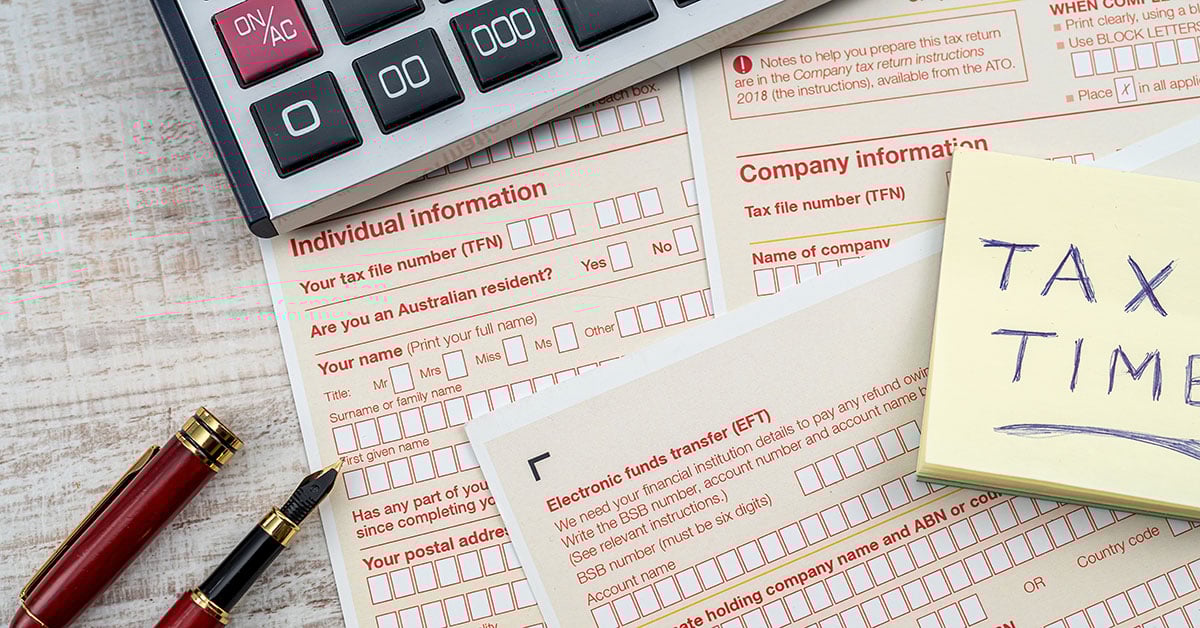
You want your investment property to make you money, and not lose it due to disorganised paperwork. Since building a property portfolio is all about improving your financial situation, it’s essential to stay on top of your record-keeping for tax. So, if your property manager is disorganised in their account keeping and documentation, staying with them could turn out to be an expensive mistake.
“You should be provided with a full disclosure of fees and financial reporting along with clear and open communication about how the business operates. If a property manager lacks transparency or is difficult to get detailed reports then this could impact any financial gains.” Ms Crampton said.
A good property manager should send a monthly summary of all the income earned and expenses to keep you on track for tax time. Remember, the Australian Taxation Office recommends keeping a backup of all digital records.
What to consider when switching property managers
Understand your current management agreement
If you feel like your relationship isn’t quite hitting the mark, then it could be time to switch property management. To do this, you need to inform your current property manager in writing of the change of agency. Depending on your agreement, you must provide between 30 to 90 days' notice, or they may agree to let you leave early. The good news is that your new property manager will coordinate a handover date, so you can start afresh.
Evaluate the new property manager's experience and track record
A property manager’s experience and performance history are key indicators of how well they will manage your asset. Review their leasing metrics, vacancy rates and client testimonials to gauge reliability.
Smooth handover and transition process
A smooth handover is essential to ensure there’s no disruption to your tenants or rental income. Your new property manager should coordinate the transfer of all documentation, keys, inspection reports and financial records, while keeping communication clear and consistent throughout the process.
How to switch property managers smoothly
Switching property manager checklist
- Review your current agreement: check notice periods and exit fees.
- Give formal notice to your current property manager.
- Sign with your new manager and confirm service inclusions.
- Handover key documents: leases, inspection reports, tenant ledgers, maintenance history, bond records, keys.
- Inform tenants of the change and confirm payment details.
- Update compliance and financial records as needed.
- Monitor the transition to ensure communication, rent flow, and maintenance run smoothly.
Ensure your property is in the right hands
A property manager’s role extends beyond just collecting rent and carrying out regular inspections. They can be a wonderful adviser in building your portfolio by helping to attract the best tenant, maximising income and adding value to your investment.
For deeper guidance on selecting the best property manager, LJ Hooker has compiled The Ultimate Guide to Finding a Property Manager to assist you in this process. This comprehensive guide will help you understand the advantages of hiring a trained professional to manage your portfolio. Remember, a professional and organised property manager is there to make your life easier as an investor, saving you time and unnecessary stress.
If you’re curious about how LJ Hooker manages rental investment portfolios, request a free, detailed property appraisal. It’s a great first step to understanding your investment’s potential and ensuring you’re getting the management and returns.
DISCLAIMER - The information provided is for guidance and informational purposes only and does not replace independent business, legal and financial advice which we strongly recommend. Whilst the information is considered true and correct at the date of publication, changes in circumstances after the time of publication may impact the accuracy of the information provided. LJ Hooker will not accept responsibility or liability for any reliance on the blog information, including but not limited to, the accuracy, currency or completeness of any information or links.
Share