Should I Renovate Before Selling?
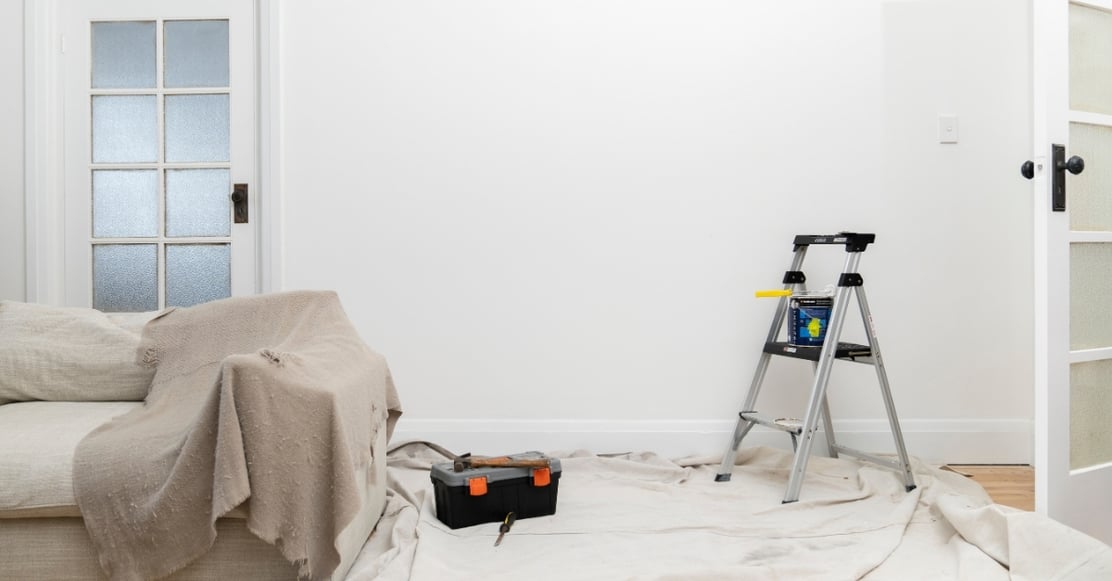
It is easy to be swept away by the idea of renovating your home to make a huge profit when selling, especially when house flipping television shows make it look so easy. The reality can be much different.
Renovating your home before listing it on the market comes with the risk of overcapitalising, where the improvements don’t increase the sale price and can even leave you out of pocket.
Before investing time, energy and money in your property before putting it on the market, it is important to do your research. Outline your goals, set a realistic budget and identify where you can add the most value for potential buyers.
Pros and cons of renovating before selling
Making improvements before selling can enhance your home’s appeal, attract more buyers and even help to secure a faster sale. But before you pull out the sledgehammer and start ripping out the kitchen, it is important to do your research. Remember, not every improvement will increase the sale price, so upgrades in the right areas are imperative to success.
Pros of renovating
- Increase buyer appeal – A move-in-ready property is attractive to buyers who don’t have the time or budget for a renovation project.
- Potentially achieve a higher sale price – Renovating with a wider audience in mind can lead to solid competition, multiple offers and a better-than-expected outcome.
- Stand out from the competition – In a market where buyers have plenty of options, you can give your home an edge by ensuring it looks well-maintained and features contemporary finishes.
- Allows buyers to imagine living at the property – Decluttering your home and freshening up the interior can improve the overall impression, leading to interest from more buyers and a quicker sale.
Cons of renovating
- Risk of overcapitalising – The cost of the renovation may exceed the property’s value. You need to be careful not to spend on improvements that can’t be recouped when you sell.
- Upfront costs – Skilled tradespeople and materials are not cheap. There may be other expenses to consider, such as development application fees, structural repairs and outdated electrical or plumbing work.
- Time delays and stress – Renovations can run over schedule due to unexpected issues, such as severe weather, hidden problems like unsafe wiring or delays in the delivery of custom fittings and fixtures. This can delay your plans to go to market.
- No guarantee of returns – Even high-end renovations may not increase your sale price, particularly if market conditions change during the project.
Which renovations add the most value
Typically, the kitchen, living room and master bedroom have the greatest impact on potential buyers, so investing in these areas could pay dividends. However, these rooms can be expensive to upgrade, and there is also a risk of overcapitalising.
Walk through your home and think like a buyer. Does your kitchen offer enough pantry storage, durable benchtops and working appliances? Is there good flow from the living area to the kitchen and to the outdoors? Does the primary bedroom have its own ensuite with double vanities? What renovations would you add to an investment property to improve its liveability, such as air-conditioning or a dishwasher?
Typically, a new kitchen costs $45,000 and a new bathroom around $26,000, with no guarantee you will recoup your costs.
A simple kitchen refresh may be more effective than a total remodel and more budget friendly. Replacing aging appliances, changing cabinet handles and possibly a new splashback.
Swapping dated tapware in the ensuite for brushed finishes can modernise the space. Regrouting the tiles is also an affordable way to spruce up any bathroom, along with luxe new towels and a bath mat. A total renovation may be necessary if there is water damage, compromised waterproofing or mould, as these conditions are likely to hinder the sale of your property.
Other makeover tips include ensuring the main living area is filled with natural light and free of bulky furniture, while replacing heavy drapes with more contemporary sheer curtains. And always declutter by packing away any personal photos, memorabilia and trinkets.
Renovations that may not be worth it
Your home may not compare to some of the properties in your neighbourhood, but that can also be part of its charm. Buyers could be drawn to the features that give it character and set it apart from the competition. So rather than focusing on what it lacks, highlight what it does have, such as original timber floorboards or established gardens.
Renovating may not be worth it for an entry-level property or a home on a block of land suitable as a potential knock-down-rebuild project. Such properties are blank canvases, so spending on upgrades may backfire, as a first-time buyer or developer is unlikely to want to pay for any improvements.
This can also be the case for property with a poor layout. There is no point in renovating a home that would be better demolished, as it could result in a significant loss.
Unless you have significant building expertise, taking on a major renovation yourself could also impact resale value. Poor workmanship can detract from your home’s appeal and prove to be more costly in the long run.
Remember, any upgrade to a property should be done to highlight its functionality, while appealing to a wide range of buyers. This means neutral finishes and practical upgrades that allow buyers to see themselves living in the space.
Does renovating add value before selling?
It pays to do your research before starting any project around your home, especially if you are considering selling. Sometimes all your home may need are minor improvements, such as a fresh coat of paint, tidying up the gardens and tackling any long-overdue repairs.
Find out which features buyers in your suburb value and then target those areas. For example, if you are living in a warmer climate, sliding glass doors to an outdoor entertaining area could become a selling point. If the property is situated in a cooler area, buyers could appreciate a combustion fireplace.
Sustainable features have shifted from an added bonus to a key consideration for many homebuyers. Solar panels are considered a smart investment as they not only reduce electricity bills but can make a property more appealing. Solar batteries and home EV chargers are also gaining in popularity.
Before spending on any improvements, always check with your local LJ Hooker agent, who can advise you on how best to allocate your budget.
Should you sell as-is or renovate?
Deciding whether to renovate before selling comes down to balancing the cost of improvements against the potential return. Consider these four factors before committing to any work:
Your budget
Work out how much you can comfortably afford to spend without putting yourself under stress. Cosmetic changes such as painting, new flooring and tidying the garden can improve street appeal and may attract just as much attention as major renovations. Be sure to price any changes and compare them with your appraisal value to work out if you are likely to cover expenses.
Your timeframe
Renovations can take longer than expected, which may delay your plans to hit the market. If you are looking for a faster sale, it will be more practical to focus on quick changes such as cleaning, decluttering and making minor repairs.
Your property’s condition
Consider whether your home needs essential repairs or if it is starting to look dated. It is important to be on top of maintenance issues such as leaking taps, damaged fittings or peeling paint that could turn off prospective purchasers. If the home requires costly structural, electrical or termite-damage repairs that you can’t afford before selling, listing it in its current condition could be the better option. Remember, any building defects must be disclosed to the next purchaser to maintain transparency.
Local market conditions
In a competitive market, well-presented properties with modern kitchens, updated bathrooms and outdoor entertaining space may stand out among listings. But making such changes may not earn a dollar more when it comes to selling, so it is important to do your research.
What buyers notice most: Local expert insight
Kitchens may help sell houses, but sales and marketing specialist Jo Lynch from LJ Hooker Coolangatta | Tweed believes any big renovation projects should be undertaken only if the vendor plans to enjoy them before selling.
If updating a kitchen as part of a house flip, keep it bright, clean and in neutral tones. There is an expectation that high-end properties will have quality and possibly integrated appliances, while a butler’s pantry should feature a second sink and dishwasher. And always keep the appliance warranty.
“If you are going to enjoy it for some time, then invest the money, but I am not a huge fan of spending a huge amount just to leave it,” Ms Lynch said.
“Sometimes it is better to let your buyer decide what they would like to do with that space and do something to their own taste. So, if you are only renovating the kitchen to sell the property, I’d be careful about how much you spend, or consider only cosmetic touches.”
Ms Lynch is often asked by vendors whether they should renovate the bathroom before selling, but she advises against it, as it is unlikely to increase the final sale price.
She believes the money is better spent on internal painting and laying new carpets because it freshens up the interior. A lack of an outdoor area is noticed by buyers, particularly in her market.
“Buyers want some connection from the interior to outside, preferably a covered patio or deck suitable for an alfresco lifestyle,” Ms Lynch said.
“If you don’t have a pool, they definitely want somewhere you can have a barbecue and an outdoor area for entertaining.”
Calculate your renovation ROI
Thankfully, you don’t have to work out all the figures on your own when deciding whether to renovate. A Return On Investment (ROI) calculator is a digital tool that measures the profitability or efficiency of an investment relative to its total cost.
To determine whether a project makes financial sense, you compare the projected value to the actual cost. Don’t forget to include any hidden costs, such as finding alternative accommodation during the renovation works, putting items into storage and skip bins for rubbish removal.
Get an appraisal before you renovate
Whether it is the family home or an investment, the benefits and drawbacks of renovating before selling aren’t always clear. Thankfully, your local LJ Hooker agent can help you make such a decision.
This starts with an obligation-free appraisal to work out a realistic price guide for listing your home in the current market in its current condition. They will evaluate the land size, street appeal, number of bedrooms and bathrooms and any other features, and compare them to similar-sized properties that have recently sold.
Your LJ Hooker agent talks with buyers in your area every day and knows which upgrades can help a property generate strong interest and a strong result. They will identify areas that need attention and features that could be improved to appeal to more buyers. This can help you to weigh up the cost of renovating against the possibility of a higher sale price.