
How Much Does It Cost to Sell a House?
Selling a home is one of the biggest financial moments in your life, and working out what it will cost can feel daunting, especially the first time. So, how much does it cost to sell a house? The answer depends on your state, your property and how you sell, but this guide covers every cost of selling a house so you can plan with confidence. All figures are estimates only and vary by state, property and agent.
What are the costs of selling your house?
Selling a house involves a lot more than the sale price. Your home selling costs generally fall into five groups: legal and government charges, agent and selling method fees, marketing and presentation, pre-sale preparation and moving and settlement. For most sellers, agent commission is the biggest single cost, so your total will depend on your sale price and the agent you choose.
Legal, administrative and government-related costs
Legal and conveyancing fees
A conveyancer or solicitor prepares your contract of sale, carries out the legal checks and manages settlement on your behalf. Conveyancing fees for sellers commonly range from about $1,500 to $3,000 (LJ Hooker Home Loans, November 2026), depending on your state and how complex the sale is. Disbursements such as title searches and settlement fees are usually extra.
Some sellers also pay for an early legal review of the contract before listing, and investment property sales or complex titles can cost more. These are essential costs, so get several written quotes and ask what's included (Consumer Affairs Victoria). Read more about conveyancing and settlement, or see our selling guides for your state for state-specific detail.
Figures are estimates only and vary by state, property and agent.
Mortgage discharge fees
If you have a home loan, your lender charges a discharge fee to release the mortgage when you sell. Most lenders can charge up to $1,000 (LJ Hooker Home Loans, November 2026), and the major banks charge about $350 (Finder, September 2026). A separate government registry fee of around $140 to $250, depending on the state, can also apply. Both are paid at settlement.
If you're on a fixed rate and sell before the term ends, you may also face break costs. Ask your lender for a payout estimate before you list.
Strata, council and government charges
Until settlement, you're responsible for charges like council rates, water rates, strata levies and, where it applies, land tax. These are usually apportioned at settlement: you pay up to the settlement date and the buyer pays from then on. Any outstanding balances need to be cleared. Rules vary by state.
If you're selling an apartment or townhouse, you may also need a strata certificate. In Queensland, the body corporate certificate costs $86.95 from July 2026 (Queensland Government). In Victoria, an owners corporation certificate costs up to about $166 at the standard turnaround (Consumer Affairs Victoria).
Capital gains tax
Capital gains tax (CGT) generally applies when you sell an investment property at a profit. Most people selling their own home are covered by the main residence exemption, although partial CGT can apply in some cases, such as when part of the home has been rented out (ATO). For your situation, speak to a registered tax agent or accountant.
Pest and building reports
A pre-sale building and pest inspection is optional but increasingly common. It shows you any issues upfront, builds buyer trust and reduces the risk of last-minute renegotiation. A combined report typically costs about $450 to $900, and separate building or pest reports around $300 to $550 each (RACV, October 2026). Prices vary with the age, size and type of property.
Real estate agent and selling method costs
Real estate agent fees and commission
Agent commission is a percentage of your sale price, sometimes with tiers or bonuses and it's only paid when your property sells. Agent fees for selling a property commonly fall between about 1.5% and 4.5% (ANZ, December 2024). Commission is negotiable and each LJ Hooker office sets its own, so treat this as a guide only.
Commission typically covers negotiation, marketing management, open homes and buyer handling. When you compare fees when selling a house, look at what each agent offers, not just the rate. A higher fee may be worthwhile if it brings stronger marketing and support. Fees for selling a house vary with your market and sale price. Read more in our guide to agent commission.
Auction fees
If you sell at auction, expect some extra costs on top of commission. These can include the auctioneer's fee, auction-day marketing and sometimes additional inspections. Auction fees commonly range from about $400 to $1,000 (ANZ, December 2024) and in some states the auctioneer's fee is included in the agent's commission, so check your agency agreement.
Auctions can suit properties with strong buyer interest or standout features, because competitive bidding helps set the price on the day. Budget for these costs from the start. Our guide to selling by auction explains what to expect.
Marketing and presentation costs
Marketing your property
Marketing helps your property reach more buyers, and sellers usually pay for it. A standard campaign can include online listings, social media advertising, copywriting, print and signage. Real estate advertising costs often run to about 1% of the asking price (LJ Hooker Home Loans, November 2026), which is roughly $5,000 on a $500,000 home. Online listings alone range from about $150 to $1,500, depending on the package (Finder, October 2026).
In NSW, agents can charge advertising costs only if the amounts are stated in your agency agreement and they're negotiable (NSW Government). Strong marketing can help your property stand out. See our marketing guide for more.
While no outcome can be guaranteed, a greater investment in marketing can improve your chances of finding that right buyer who is prepared to pay the right price. Costs incurred for marketing, such as photography and listing on property portals, remain payable even if the property doesn’t sell. To aid with marketing costs, LJ Hooker has partnered with Property Credit. With Property Credit, you won’t need to cover advertising costs until settlement,* allowing you to maximise your property’s exposure and sale potential. Find out more here.
Figures are estimates only and vary by state, property and agent.
Professional photography and videography
Photos are often the first impression buyers have of your home. Professional photography typically costs about $300 to $800, and video about $220 to $500 (Finder, October 2026). Extras like drone footage, twilight shots and floor plans are usually quoted separately.
Compare packages carefully, as some agents include photography in their marketing budget while others charge for it on top. Quality images can attract more online enquiry. Our tips on photographing your home for sale can help you prepare.
Signboards and print marketing
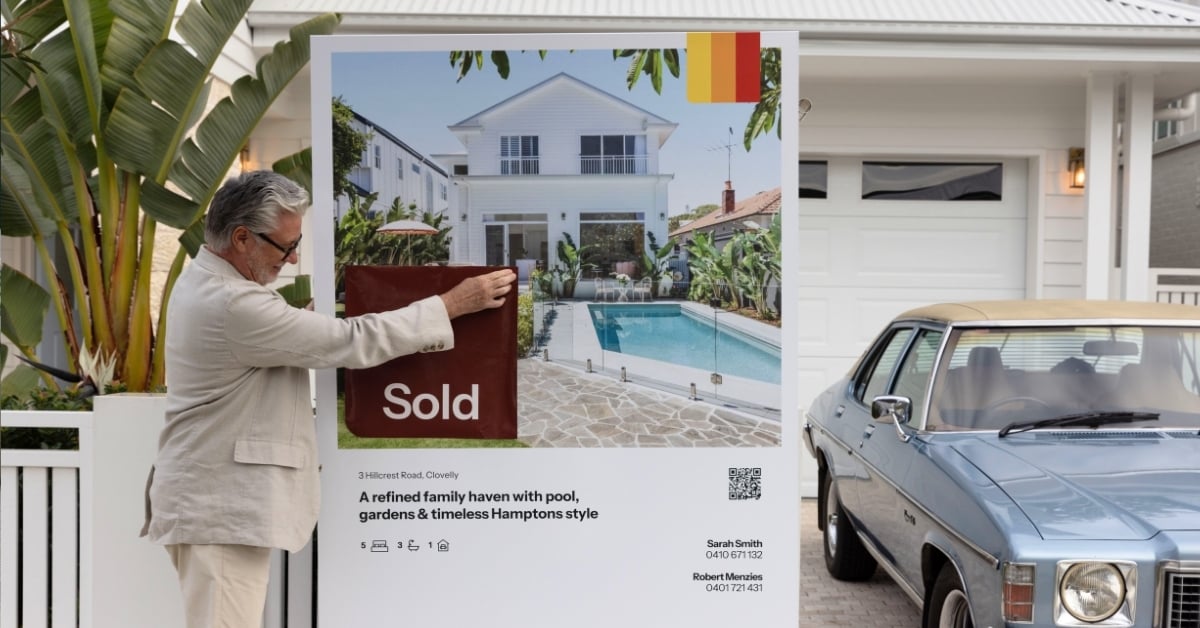
Signboards, brochures, flyers and print ads still help local buyers notice your home, especially in neighbourhoods where people browse on foot or by car. A clear, well-placed signboard keeps your property visible around the clock.
Costs vary by size, quantity and supplier, so ask your agent for an itemised quote before you sign the agency agreement and check whether signage is included in your marketing package.
Property styling and home presentation
Styling and staging help buyers imagine living in your home. It can include furniture hire, accessories and minor cosmetic updates and professional styling generally starts from $1,000 (LJ Hooker Home Loans, November 2026). Costs rise with the number of rooms, the hire period and the furniture you choose and temporary storage for your own belongings can be an extra cost.
Styling doesn't guarantee a higher price, but it can help your property present at its best. Our styling guide shows what to focus on.
Pre-sale preparation costs
Maintenance and repairs
Small repairs can make a big difference to first impressions. Common pre-sale jobs include painting, landscaping, minor repairs, cleaning and handyman work. Start with what buyers notice straight away: street appeal, flooring and lighting.
Costs depend on the condition of your home and the finish you choose, so get a few quotes and set a budget before you start. Skip major renovations unless your agent advises they're worthwhile, as you may not recover the spend. Explore the key considerations for renovating before selling.
Miscellaneous pre-sale expenses
A few smaller costs are easy to overlook. These can include deep cleaning, rubbish removal, storage, safety checks, compliance certificates and minor décor updates. Individually they may seem small, but together they can add up. Requirements for certificates and safety checks vary by state, so ask your conveyancer or agent what applies before you list.
If you need a formal property valuation, for lending or legal purposes for example, costs differ from a free agent appraisal. See our property valuation vs appraisal guide. A simple checklist and a small buffer in your budget will help you stay on track.
Moving, settlement and post-sale costs
Moving fees
Moving costs depend on distance, volume and timing. Removalists cost about $300 to $3,500 for a move within the same state, and about $2,000 to $6,000 interstate (Canstar, July 2026). Packing services, truck hire and insurance can add to the total, and prices can rise in peak periods.
Book early, compare at least three quotes and ask for a written quote that lists what's included.
Cost of downsizing
If you're downsizing, plan for short-term costs such as storage, new furniture, renovations to your next home or temporary accommodation if settlement dates don't line up. Over time, a smaller home can lower your ongoing costs, but the upfront expenses are worth budgeting for. Talk to your agent early about timing so the settlement dates work for you.
Hidden and other potential costs
Are there hidden costs when selling property? Yes, a few are easy to miss: utility disconnection and reconnection, mail redirection, short-term rentals, vacate cleaning and changes to your home insurance. Add a buffer to your budget, and ask your agent and conveyancer for a full list of expected costs before you sign.
Additional considerations
Selling an investment property
Selling an investment property comes with some extra costs. You may need to give tenants notice or work around their lease, and ending a lease early can add costs. Wear-and-tear repairs, property management fees and depreciation schedules may also come into play.
The big one is tax. Capital gains tax can apply to your profit, and the ATO has guidance on working out your cost base. Speak to a registered tax agent or accountant about your situation before you list.
Emotional and time costs
Not every cost is financial. Selling can take time and energy, from preparing your home and coordinating inspections to making decisions under pressure. Plan your timeline early and build in extra time. A local LJ Hooker agent can guide you through each step, so you're not doing it alone.
How to reduce the cost of selling a house
There are smart ways to keep selling costs under control without cutting corners.
- Compare services, not just rates. A lower commission may come with fewer inclusions, while a higher one may include marketing and support that help your property sell.
- Prioritise high-impact repairs. Focus on what lifts first impressions rather than expensive renovations.
- Choose the right marketing package and sale method for your property and local buyers, and ask for itemised quotes.
- Get at least three quotes for services like conveyancing and removalists.
Planning your timeline early also helps you avoid paying extra for rushed services.
Complete your house sale with LJ Hooker
Your local agent can give you a clearer picture of what selling your home may cost, based on your property and your suburb. Book a free, no-obligation property appraisal and we'll help you plan with confidence.